Design requirements
Confirm support duty, layers, construction sequence, acceptance criteria and the specified method.
Clarify the support stage, layers and construction sequence so fibre evaluation, site spraying trials and acceptance share the same basis.

These checks support the first technical discussion; they do not replace tunnel design, construction planning or safety procedures.
| Project information | What needs checking | What it does not establish |
|---|---|---|
| Support stage and layers | Initial support or another specified use; layer thickness, sequence and relationship to other support elements | Automatic substitution for mesh, bolts or steel fibres |
| Design and acceptance targets | Specified early strength, energy absorption or other project criteria, methods and the party responsible for acceptance | A fibre tensile strength of ≥570 MPa is not a tunnel support classification |
| Spraying system | Wet- / dry-mix route, equipment, lines, nozzle, accelerator and site process limitations | One test mix does not cover every equipment configuration |
| Sampling and traceability | Sampling conditions, panel / specimen preparation, curing, batches and report sources | A material TDS is not a project acceptance report |
Confirm support duty, layers, construction sequence, acceptance criteria and the specified method.
Plan candidate-fibre trials, sampling and records around the actual equipment and mix.
Record dosing, dispersion, spraying observations, layers and site changes. Material consumption is not an acceptance result.
Submit results with their conditions to the responsible project party. Reassess evidence coverage when conditions change.
This page follows tunnel support layers, construction interfaces and acceptance responsibilities. The mining page explains wet- and dry-mix control routes. The same candidate product does not imply the same design, and mining trials are not automatically tunnel acceptance evidence.View wet- / dry-mix control routes →
This is a priority candidate for this application, not a final recommendation independent of the conditions. The product page is the source for full specifications and controlled documents.
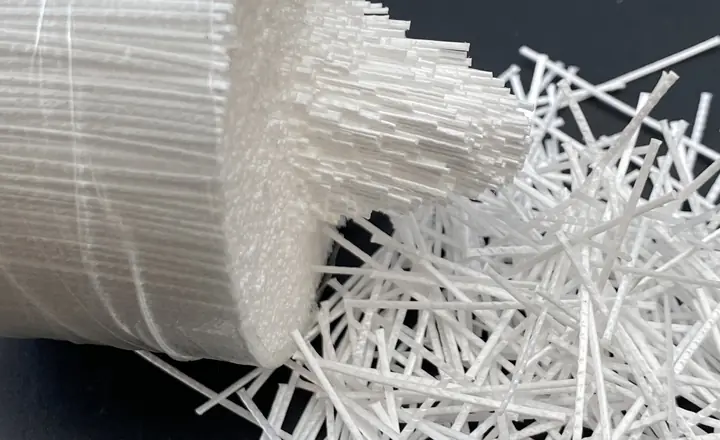
100% virgin polypropylene; near-round / oval cross-section with diamond indentations. A priority candidate for project evaluation in mining and tunnel shotcrete.
These are nominal TDS fibre specifications, not site concrete, component or support-performance results. Source: TDS Rev. 20260701.
TDS suggested starting range: 4–8 kg/m³.Confirm final dosage through project design, mix and actual process trials. Dosage alone does not establish energy absorption, residual strength or finished-product performance.
Read the project specification first, then decide the method, sampling and intended use of the results.
Explore tunnel shotcrete test dataWhen specified and applicable, use the EN 14488-5 method page for further checks. This does not mean the product has performance certification under that method.
Keep the mix, dosage, fibre batch, equipment, spraying and sampling, curing and report source connected.
The current TDS does not declare energy absorption or residual strength. Do not insert an assumed joule value when a project result is unavailable.
Conchip operates a factory-internal laboratory; it is not accredited. Internal data support comparison and project discussion. Arrange independent third-party testing when accredited evidence is required.
Both applications prioritize High Strength Shotcrete 48 for evaluation, but support duty, layers and acceptance conditions must be confirmed separately. "Shotcrete 48" is not a separate product name.
The TDS specifies water-soluble film bundles and cartons of 5 kg or 10 kg net. Calculate fibre mass from batch volume and the dosage being evaluated, not from a bundle count. Check wet- and dry-mix dosing against their respective processes.
The responsible project party must assess how the change affects evidence coverage. Do not assume that an earlier test covers new conditions.
Send the information available and mark unresolved conditions. Continue through Project / Technical Inquiry.
Send application and project conditionsReview the information → current TDS / SDS and method information → missing items and trial discussion. Response timing and the records available must be confirmed separately.
High Strength Shotcrete 48 is supplied in water-soluble film bundles, in standard cartons of 5 kg or 10 kg net (TDS Rev. 20260701). Confirm shipment packaging, labels, destination, quantity and purchasing schedule individually. Stock and lead time are not assumed.
Distributor / Importer Inquiry →List the formal product name, required document version, application, trial quantity and supply quantity. Product pages retain the controlled TDS / SDS links rather than duplicating conflicting document versions across applications.
Start a specification-led project inquiry → Trade sourcing route →Use these articles to prepare process information, trial records and evidence before selecting a project condition.
Build tunnel shotcrete fibre quality control records for dosing, addition, mixing, pumping, nozzle conditions, panels, deviations and section traceability.
Read more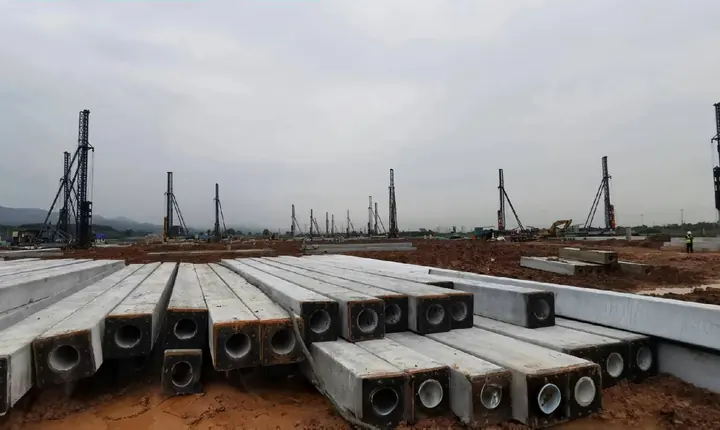
Understand macro synthetic fibre reinforced concrete, its application routes, performance evidence, production controls and limits before selecting a product.
Read more Compare fibre reinforced shotcrete testing under ASTM C1550-26, EN 14488-5, ASTM C1609-24 and EN 14651 without converting unlike outputs.
Read more Map tunnel shotcrete fibre requirements from initial support to permanent lining through test, site and acceptance evidence.
Read more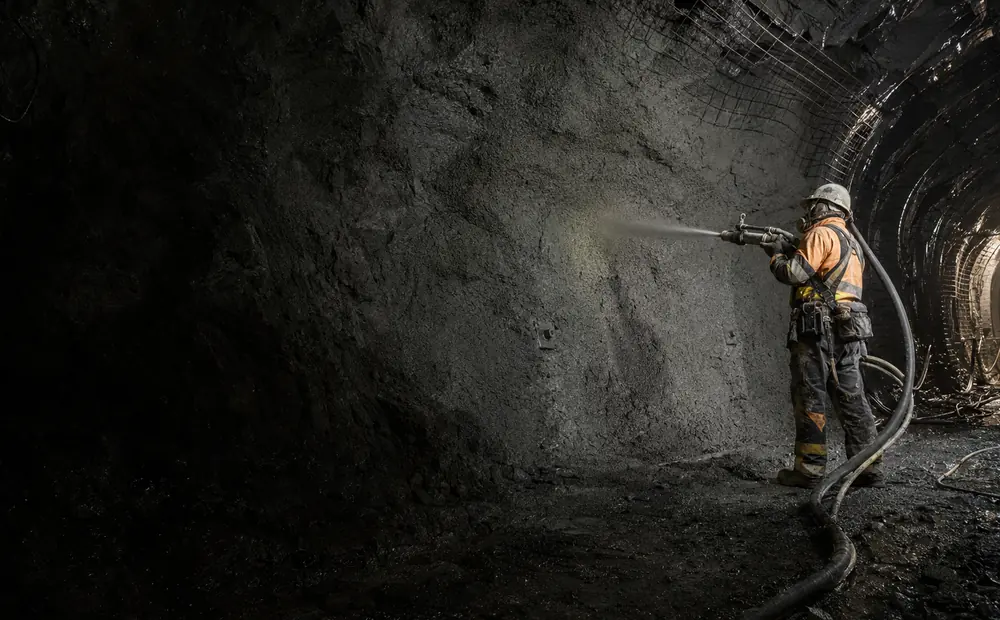
Compare wet-mix and dry-mix shotcrete control points for synthetic fibre dosing, mixing, equipment trials, records and project acceptance.
Read more Plan a traceable synthetic fibre shotcrete trial from acceptance criteria and mass dosing to equipment, test panels, records and review.
Read more Record shotcrete rebound without confusing a site process indicator with fibre performance, slab energy absorption or beam-test results.
Read more