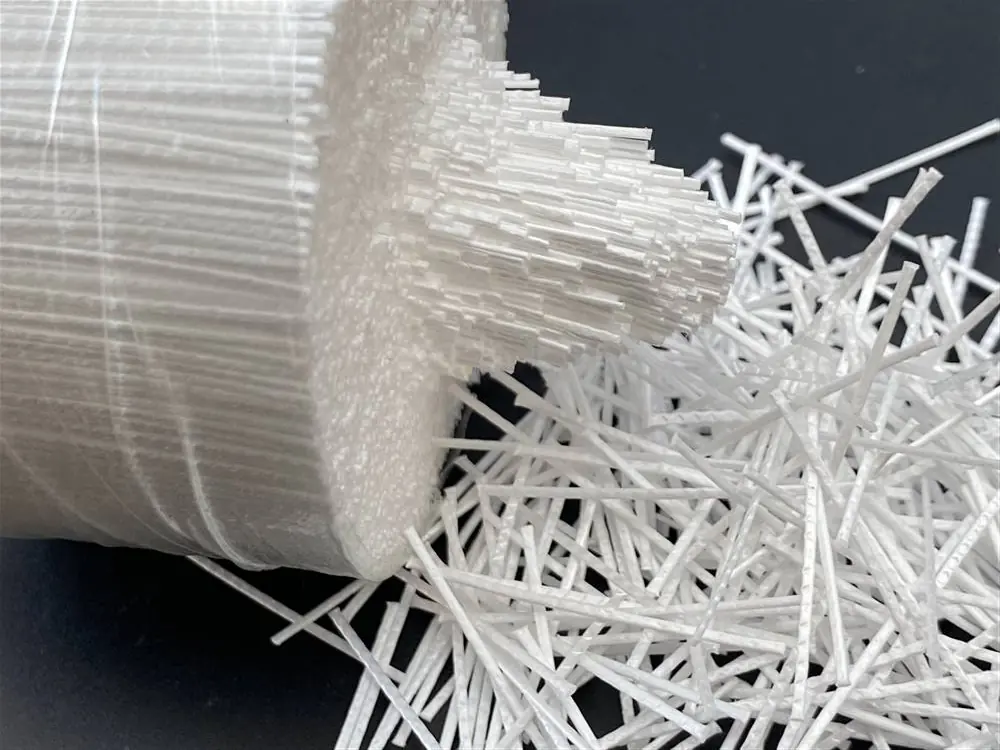
Engineers / Designers / Specifiers
Review test methods, declared properties, selection limits and traceable source documents before specifying a concrete fibre.
Conchip manufactures polypropylene-based concrete fibres for mining and tunnel shotcrete, industrial flooring, precast concrete and selected UHPC applications. Product selection starts with project conditions, test evidence and supply requirements.
Select the route that matches your responsibility. Each path leads to the same factual product pages, but presents technical evidence, application guidance and supply information in the order you need it.
Review test methods, declared properties, selection limits and traceable source documents before specifying a concrete fibre.
Plan mixing, wet- or dry-mix shotcrete, placing, finishing, site trials and supply around actual project conditions.
Build a market-relevant fibre range with clear applications, documents, packaging options and repeat-supply information.
Confirm manufacturer identity, product match, commercial documents, packaging and shipment terms before requesting a quote.
Support duty, concrete process, equipment and acceptance criteria determine which fibre should be evaluated. Start with the project environment; compare products inside the relevant pathway.

For underground shotcrete support. Define wet- or dry-mix process, equipment, rebound conditions, dosage trial and the required energy-absorption assessment before product selection.
Explore mining support →
Define support duty, spraying process, layer requirements, equipment and the project acceptance method before reviewing a fibre recommendation.
Explore tunnel shotcrete →
Review slab conditions, mixing and dispersion, finishing, exposed-fibre risk, dosage trial and EN 14651 evidence.
View flooring pathway →
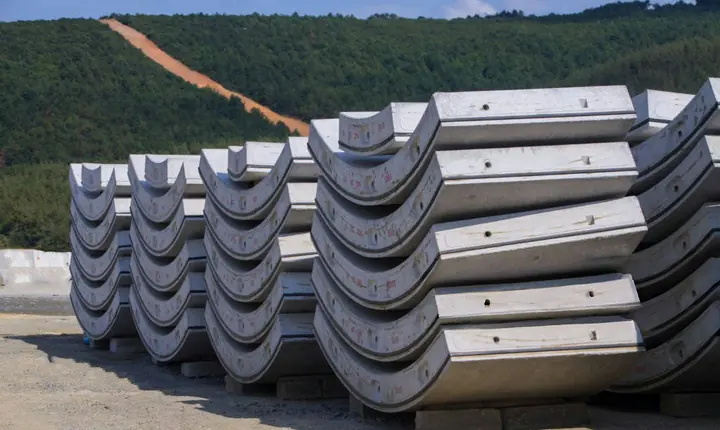
Match fibre evaluation to segment geometry, production cycle, distribution, handling and project acceptance requirements.
View segment pathway →
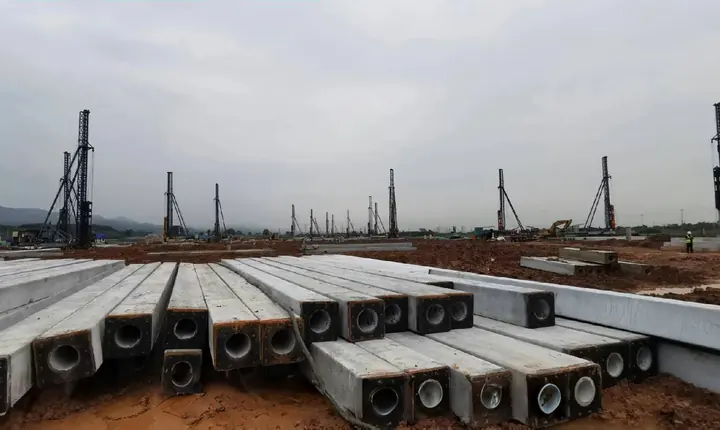
For piles and other precast elements. Confirm production process, intended fibre role, handling and acceptance criteria.
View precast pathway →
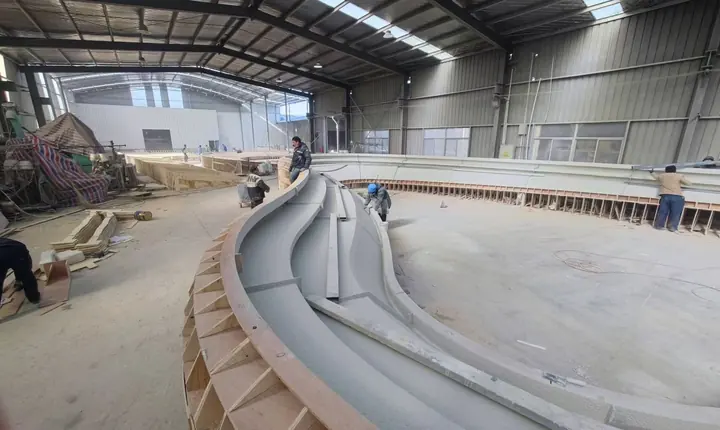
For selected decorative UHPC, translucent concrete and thin elements. Confirm mix compatibility and trial conditions before use.
View UHPC pathway →Synthetic concrete fibre performance depends on the concrete mix, fibre type and geometry, dosage, mixing and placing process, and the test method used. Conchip reviews these conditions before proposing a product and trial range.
Conchip operates a factory-internal laboratory; it is not an accredited laboratory. Internal results are reference data for comparison and project discussion. Independent third-party testing is required when a specification, contract or authority requires accredited evidence.
These four products cover Conchip’s current priority routes in shotcrete, precast concrete, industrial flooring and UHPC. Final product selection and dosage still require project conditions and trial evidence.

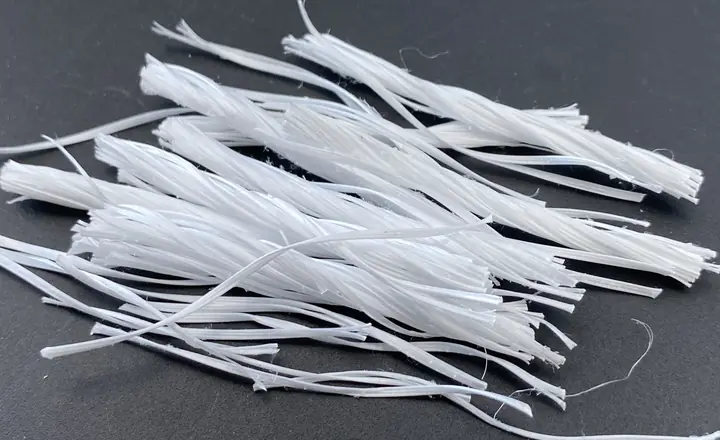
Bundled 100% virgin polypropylene fibre for wet- or dry-mix shotcrete evaluation in mining ground support and tunnel applications.

Bundled 100% virgin polypropylene fibre for precast tunnel segments, piles and other concrete components.

Twisted polypropylene/polyethylene blend fibre for industrial-floor trials where distribution, finishing and residual performance are reviewed together.

Fine modified polypropylene fibre for selected decorative UHPC, translucent concrete and thin-element trials.
Conchip is the international product brand of Shandong Kairuida Building Materials Co., Ltd., the manufacturer. Tai Pu Shi Da (Binzhou) New Materials Technology Co., Ltd. coordinates international promotion, customer communication, contracts, payment and export business.
Quality records, confirmed packaging and available documents are presented product by product. Unverified capacity, customer counts and export claims are not used as decoration.
Brand, manufacturer and international sales roles shown consistently.
Batch and test information linked when the underlying record is available.
Bag, carton and shipment information confirmed product by product.
Technical and commercial questions start with actual project conditions.
Our factory-internal laboratory supports product comparison, process checks and method demonstrations. It is not an accredited laboratory. Internal results are reference data—not third-party acceptance reports.
Data boundary — Internal data supports R&D, quality comparison and project discussion. Independent third-party testing is required when a specification, contract or authority requires accredited evidence.
Review synthetic concrete fibre application guidance, laboratory videos, verified case studies and controlled technical documents. Each item keeps its source, date, review status and limitations.
Buyer-focused answers on shotcrete fibre, industrial flooring, precast concrete, UHPC, fibre selection, batching, mixing and handling.
Read articles →EN 14651 and EN 14488-5 method demonstrations, fibre production, packaging, dosing and mixing—with the date and context retained.
Watch videos →Mining, tunnel, flooring and precast applications appear only after project conditions, evidence and publication permission are reviewed.
Review case studies →Current product TDS and SDS are linked by product. Public reports and certification documents are indexed only after identity, coverage and release checks.
Open document index →Type · Published · Updated · Source · Review statusOne item, one canonical page. Solutions, Products and Laboratory link to it without copying the same content into multiple URLs.
Useful answers start with the application, concrete or shotcrete process, mix, equipment, required test method and acceptance criteria—not with a product name alone.
Application · Process · Mix · Equipment · Fibre role · Test method · Acceptance
Start with the mine or tunnel support requirement, wet- or dry-mix process, spraying equipment, concrete mix, fibre role and required verification method. High Strength Shotcrete 48 is Conchip’s dedicated shotcrete product path, but selection and dosage still require project review and a trial.
No. Concrete strength grade and dosage do not define fibre-reinforced concrete performance. We also need the application, mix proportions, fibre role, placement or spraying process, test method and acceptance criteria. We show real records when available; we do not predict an untested result.
Not through a universal kilogram-for-kilogram ratio. Any substitution must be evaluated against the structural design, project specification, residual-strength or energy-absorption requirement, construction conditions and appropriate verification testing.
Use a pre-measured batch, follow the product-specific packaging instruction and introduce the fibre through the approved batching sequence. For Conchip bundled macro fibres, add with cement and aggregates, then use the specified additional mixing time. Confirm dispersion and finishing in a plant trial; mix cohesion, dosage and finishing practice also affect surface fibres.
Each product page is the source for its current TDS and SDS. Public reports are released only after product identity and coverage checks. Our factory-internal laboratory is not accredited, and CE certification has not been issued. Independent third-party testing is required when accredited evidence is specified.
Include the target country and market, customer applications, products of interest, packaging needs, forecast volume, required documents and preferred commercial route. This lets the first response address both product fit and supply conditions.
Choose the route that matches your decision. The application, product and source-page context stay attached to the inquiry so you do not have to start again.
For engineers, designers, contractors, project managers, concrete producers and precast plants.
For distributors, importers and traders evaluating products, documentation, packaging and supply cooperation.
Submitted information is used to evaluate the inquiry and respond. Do not send passwords or unrelated sensitive information. Review the Privacy Policy before submission.